Need Help?
(042) 36367373
Naqi Arcade Plaza, Mall Road
Lahore, Pakistan
Send email
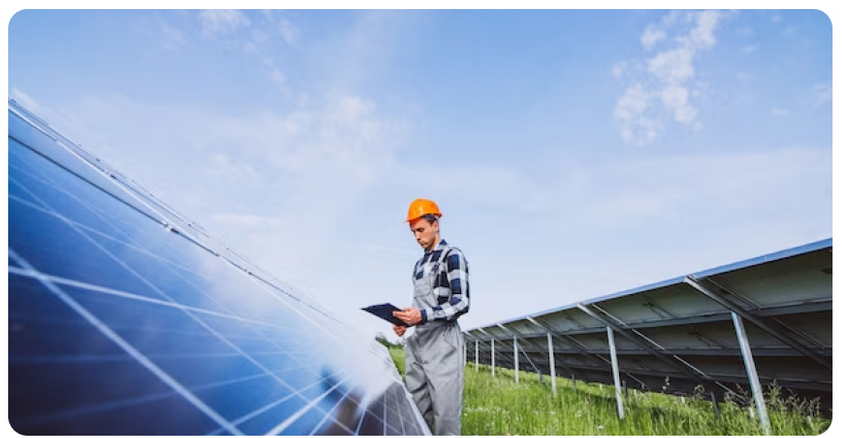
Residential solar systems have become increasingly popular as homeowners seek to lower electricity costs and reduce their carbon footprint. These systems typically consist of solar panels installed on rooftops or other available space. Solar panels convert sunlight into electricity, which can be used to power household appliances, lighting, and heating systems. By generating their own electricity, homeowners can reduce their dependence on the grid and benefit from lower utility bills.
Residential solar systems are often connected to the local power grid through a process known as net metering. When the solar panels produce more electricity than the home consumes, the excess power is fed into the grid, and the homeowner is credited for it. This helps to further reduce electricity costs, especially during sunny days when production is at its peak. Furthermore, modern residential systems come with battery storage options, enabling homeowners to store excess energy and use it during the night or on cloudy days.
As solar technology continues to evolve, residential systems have become more efficient and affordable. Financial incentives, such as government subsidies and tax credits, make it easier for homeowners to invest in solar power. In the long term, residential solar systems not only provide significant savings but also increase property values and contribute to environmental sustainability.
Commercial solar systems are designed to meet the energy needs of businesses, factories, and other large institutions. These systems are typically much larger than residential installations, covering rooftops, parking lots, or even open land. By switching to solar power, businesses can significantly reduce operational costs while promoting their commitment to sustainability.
One of the primary advantages of commercial solar systems is their ability to scale based on energy demands. Whether a business needs a small solar array or a large-scale installation, solar energy can be customized to meet specific needs. Moreover, the cost savings are substantial. By reducing reliance on traditional energy sources, businesses can lower their electricity bills and protect themselves from future increases in energy prices.
Many businesses also use solar power purchase agreements (PPAs), where a third party owns, installs, and maintains the system, and the business agrees to purchase the power at a fixed rate. This arrangement allows companies to benefit from solar energy without the need for upfront investment. Additionally, commercial solar systems are often integrated with battery storage solutions, ensuring energy reliability and continuity, especially during peak demand periods.
Solar pumping systems are widely used in agriculture for irrigation, providing water for crops and livestock. These systems are vital in rural areas, where access to electricity is limited. Solar pumps harness energy from the sun, converting it into electricity to operate water pumps, which draw water from wells, rivers, or storage tanks.
Agricultural solar systems are not only cost-effective but also environmentally sustainable. By replacing traditional diesel or electric-powered pumps, solar systems help reduce carbon emissions and save fuel costs. They can also provide water for remote locations where grid electricity is unavailable, helping farmers access water during dry seasons. Additionally, solar energy is crucial in supporting disaster relief efforts, offering clean water access in areas affected by natural disasters, where power outages are common.
Solar EPC (Engineering, Procurement, and Construction) companies handle the complete lifecycle of solar projects, from initial design to the final installation. These companies are responsible for all engineering and technical aspects, ensuring that the solar system is designed according to the client's needs and the site's specifications. The EPC firm oversees the procurement of high-quality materials, ensuring that every component, from panels to inverters, meets industry standards.
In addition to managing the construction process, Solar EPC companies ensure that the project stays on schedule and within budget. They coordinate with various teams, including contractors and electricians, to streamline the installation process. After the installation, the EPC company also provides maintenance services, ensuring the system operates at optimal performance throughout its lifespan. By hiring a Solar EPC company, clients can avoid the complexities of solar installations and rely on experienced professionals to manage the project.
A Solar Power Purchase Agreement (SPPA) is a financial arrangement where a third-party developer installs, owns, and operates the solar system, while the customer agrees to purchase the electricity it generates at a fixed rate. This model allows businesses, schools, and other entities to enjoy the benefits of solar energy without making the upfront investment in the system itself.
The main advantage of a PPA is cost savings. The customer typically pays less for solar energy than they would for traditional electricity, and the rate is often fixed for the duration of the agreement, protecting against future price increases. In addition to cost savings, PPAs allow customers to reduce their environmental impact and meet sustainability goals. PPAs are ideal for organizations that want to switch to solar energy without bearing the costs and risks associated with system ownership and maintenance.
Bank leasing projects provide financial solutions to businesses and homeowners looking to adopt solar energy without incurring the upfront costs. With solar leasing, the bank purchases the solar system, and the customer agrees to lease it over a set period. The customer benefits from solar energy, paying a fixed monthly fee that is typically lower than their previous electricity bills.
Leasing is an attractive option for organizations and individuals that want to go solar but are hesitant about the high initial costs. The bank retains ownership of the solar system, handling installation and maintenance. In return, the customer enjoys the benefits of solar power without the financial burden of purchasing the system outright. Leasing projects also allow businesses to adopt sustainable practices while keeping their capital free for other investments.