Need Help?
(042) 36367373
Naqi Arcade Plaza, Mall Road
Lahore, Pakistan
Send email
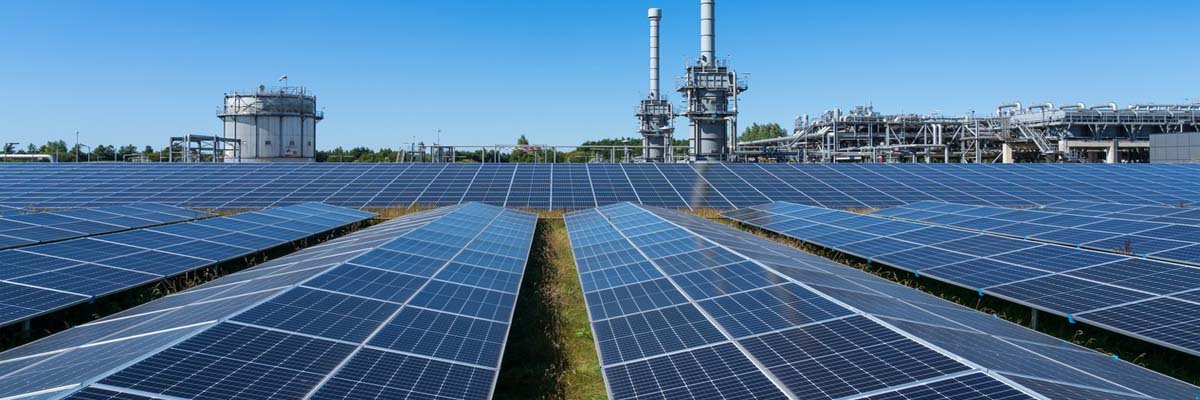
We completed 1000+ Residential projects with great experience in all our Pakistan. With the ever-growing canyon between demand and supply of electricity in Pakistan, it is difficult to believe that situation will get better in near future. Electricity prices are increasing and dependency on generators increases the energy costs by 70%. Suntech Solutions has come up with diverse solutions to reduce the energy costs of residential sector. We not only help you decrease your electricity bills but also ensure that you get uninterrupted power supply 24 hours a day. Our solar technology will power your home using the sun during the day and will turn into a UPS after sunset.
Residential solar solutions involve the installation and use of solar energy systems in homes to generate electricity, reduce reliance on traditional utility grids, and contribute to sustainability. These solutions typically employ photovoltaic (PV) technology to convert sunlight into electricity. Here are key aspects of residential solar solutions:
- Roof-Mounted Panels: Solar panels are commonly installed on rooftops to capture sunlight and convert it into electricity. The orientation and tilt of the panels are optimized for maximum sun exposure.
- Ground-Mounted Systems: In cases where rooftop installation is not feasible, solar panels can be mounted on the ground in a dedicated area.
- Batteries: Residential solar solutions often include energy storage systems (batteries) to store excess energy generated during sunny periods. This stored energy can be used during cloudy days or at night, providing a more reliable and continuous power supply.
- Connection to the Grid: Many residential solar systems are grid-tied, meaning they are connected to the local utility grid. Excess electricity generated by the solar panels can be fed back into the grid, and homeowners may receive credits or compensation through net metering.
- Pool Heating Systems: Solar panels can be used to heat swimming pools, providing an energy-efficient alternative to traditional pool heaters.
- Domestic Hot Water: Solar thermal systems can be used to heat water for domestic use, reducing the energy demand on traditional water heating systems.
- Watering Systems: Solar pumps can be employed to provide water for livestock, especially in remote areas where access to grid power is limited.
- Electric Fencing: Solar-powered electric fences can be used to secure livestock grazing areas without the need for a connection to the electrical grid.
- Outdoor Lighting: Solar-powered outdoor lights can be used for landscaping and security lighting.
- Solar-Powered Appliances: Small-scale solar systems can power standalone appliances, such as solar water pumps or solar-powered fans.
- Smart Inverters and Monitoring Systems: Homeowners can integrate smart inverters and monitoring systems to track energy production, consumption, and overall system performance. Some systems can be controlled remotely via smartphone apps.
- Tax Credits and Rebates: Many governments offer financial incentives, tax credits, or rebates to encourage the adoption of residential solar solutions, making them more affordable for homeowners.
- Reduced Carbon Footprint: By generating clean energy from the sun, residential solar solutions help reduce carbon emissions, contributing to environmental sustainability.
Residential solar solutions offer numerous advantages to homeowners, making them an increasingly popular choice for sustainable and cost-effective energy. Here are some key advantages of residential solar solutions:
- By generating your own electricity, you can significantly reduce or even eliminate your monthly electricity bills, especially if your system is grid-tied and you can take advantage of net metering.
- Solar power allows homeowners to become more energy independent. By generating electricity on-site, you rely less on traditional utility grids and reduce vulnerability to power outages or price fluctuations.
- Solar energy is a clean and renewable source of power, producing electricity without emitting greenhouse gases or air pollutants. Using solar power helps reduce your carbon footprint and contributes to a more sustainable and environmentally friendly lifestyle.
- Many governments offer financial incentives, tax credits, rebates, or feed-in tariffs to encourage the adoption of residential solar solutions, making the initial investment more affordable and providing long-term cost savings.
- Homes with solar installations often have higher market values. Solar panels are considered an attractive feature for homebuyers, and the investment can pay off if you decide to sell your property.
- Solar panels can be installed on unused or marginal land, providing dual-use without competing with valuable agricultural space. This allows farmers to maintain productive land while still harnessing solar energy.
- By integrating energy storage systems (batteries), homeowners can store excess energy generated during the day for use during periods of low sunlight or during power outages, providing a reliable power supply.
- Grid-tied systems allow homeowners to feed excess energy back into the grid, earning credits or compensation through net metering programs. This creates a more dynamic and interactive relationship with the utility company.
- Solar power production often aligns with peak demand periods, such as sunny afternoons. By generating electricity during these times, homeowners can help alleviate stress on the grid and reduce the need for additional power plants.
- Ongoing advancements in solar technology, such as improved efficiency and reduced costs, make residential solar solutions increasingly attractive and accessible.
- Solar panels typically have long lifespans, often lasting 25 years or more. This long-term durability contributes to the overall cost-effectiveness of residential solar solutions.
- The installation and maintenance of residential solar systems contribute to the creation of local jobs, supporting the growth of the solar industry and the broader economy.

02 Jun, 2024

80,000 kWh / Year

Solar Energy

SolarSphere Solutions

123 Main Street, Anytown