Need Help?
(042) 36367373
Naqi Arcade Plaza, Mall Road
Lahore, Pakistan
Send email
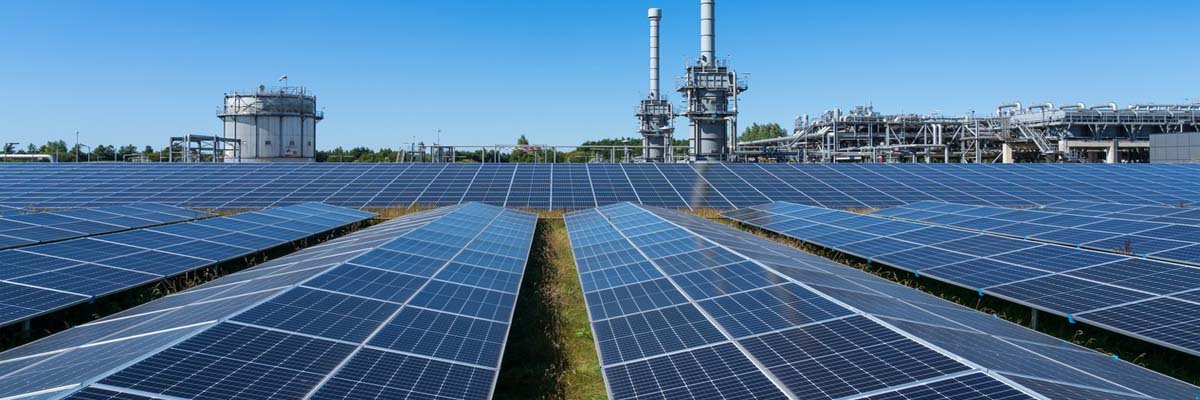
We have completed 1000+ projects of industrial with great experience in all our Pakistan. Our industry has been most affected by the energy crisis. In addition, labor downtime can have its own cost. Consequently, it has become hard for the industrial sector to stay competitive with the global producers.
At, we offer revolutionary solutions for our clients to ensure that their operational costs are lowered significantly and that they are competitive again. Industrial solar panels, also known as commercial solar panels.
Industrial solar solutions refer to the use of solar energy technologies in industrial settings to generate electricity or provide other energy-related services. These solutions leverage solar power to meet the energy needs of industrial facilities, reducing reliance on conventional grid power and contributing to sustainability goals. Here are some key aspects of industrial solar solutions:
- On-site Solar Panels: Industrial facilities can install solar panels on rooftops, vacant land, or parking structures to capture sunlight and convert it into electricity through photovoltaic cells.
- Grid-Tied Systems: These systems are connected to the local electrical grid, allowing excess energy generated during peak sunlight hours to be fed back into the grid. This can result in financial benefits through net metering.
- Concentrated Solar Power (CSP): In some industrial processes, concentrated solar power can be used to generate high-temperature heat. Mirrors or lenses focus sunlight onto a small area to produce steam, which can then drive turbines for electricity generation or be used directly in industrial processes.
-Battery Systems: To ensure a stable and reliable power supply, industrial solar solutions often incorporate energy storage systems. Batteries store excess energy generated during sunny periods for use during cloudy days or at night.
- Smart Grid Integration: Industrial solar solutions can be integrated into smart grids, allowing for better management of energy consumption and distribution. This enables facilities to optimize their energy usage and reduce costs.
- Remote Monitoring: Industrial solar installations often include monitoring systems that allow for real-time tracking of energy production, system performance, and potential issues. This helps in proactive maintenance and optimization.
- Government Incentives: Many governments offer financial incentives, tax credits, or subsidies to encourage the adoption of solar energy. Industrial facilities may benefit from such programs, making the transition to solar more economically viable.
- Reduced Emissions: Industrial solar solutions contribute to reducing greenhouse gas emissions, helping companies meet sustainability goals and environmental regulations.
- Tailored Designs: Industrial solar solutions can be customized based on the specific energy needs, available space, and location of the industrial facility. This allows for efficient integration into existing infrastructure.
- Combination with Other Energy Sources: Industrial solar solutions can be integrated with other forms of renewable energy or conventional power sources to create hybrid systems, providing a more consistent and reliable energy supply.
Implementing industrial solar solutions can lead to long-term cost savings, increased energy independence, and a positive impact on the environment. The choice of specific solutions depends on factors such as the industrial processes involved, local climate conditions, and the regulatory environment.
Industrial solar solutions offer numerous advantages for businesses and industrial facilities, providing a sustainable and cost-effective means of meeting energy needs. Here are key advantages of incorporating industrial solar solutions:
- One of the primary benefits is the potential for significant cost savings on electricity bills. Industrial solar solutions allow businesses to generate their own electricity, reducing reliance on grid power and providing long-term predictability in energy costs.
- Industrial solar solutions enable businesses to become more energy independent by generating their own power. This can be particularly beneficial in areas with unreliable grid power or during peak demand periods.
- Governments often provide financial incentives, tax credits, and subsidies to encourage the adoption of solar energy in industrial settings. These incentives can help offset the initial capital investment and accelerate the return on investment.
- Solar power is a clean and renewable energy source, contributing to a reduction in greenhouse gas emissions and mitigating the environmental impact associated with conventional energy sources. This aligns with corporate sustainability goals and environmental regulations.
- Industrial solar solutions can enhance grid stability by reducing demand during peak periods. Additionally, incorporating energy storage systems can provide backup power during grid outages, ensuring continuous operations.
- Solar installations have predictable costs over the long term, allowing businesses to plan and budget effectively. This stability contrasts with the potential volatility of traditional energy prices.
- Industrial solar solutions often integrate energy storage systems, such as batteries, to store excess energy during periods of high production. This stored energy can be used during times of low production or during grid outages, providing a reliable power source.
- Adopting industrial solar solutions can enhance a company's corporate image by showcasing a commitment to sustainability and environmental responsibility. This can be particularly important for businesses that prioritize their brand reputation and social responsibility.
- Solar solutions enhance energy resilience by providing a decentralized and distributed power generation system. This can reduce vulnerability to centralized grid failures and ensure continuity of critical operations during unforeseen events.
- By generating power during peak demand periods, industrial facilities can reduce or avoid costly peak demand charges imposed by utilities. This can result in substantial savings on overall energy expenses.
- Industrial solar solutions can be tailored to the specific energy needs and available space of a facility. This flexibility allows for efficient integration into existing infrastructure and optimization for individual operational requirements.
- Industrial solar solutions can be tailored to the specific energy needs and available space of a facility. This flexibility allows for efficient integration into existing infrastructure and optimization for individual operational requirements.
- Installing solar solutions on industrial facilities can enhance the property value, making the site more attractive to potential buyers or tenants. Solar installations are considered valuable assets in real estate.
- The planning, installation, and maintenance of industrial solar solutions contribute to job creation and support the growth of the solar industry, providing economic benefits to local communities.

09 January, 2024

80,000 kWh / Year

Solar Energy

SolarSphere Solutions

123 Main Street, Karachi