
Need Help?
(042) 36367373
Naqi Arcade Plaza, Mall Road
Lahore, Pakistan
Send email
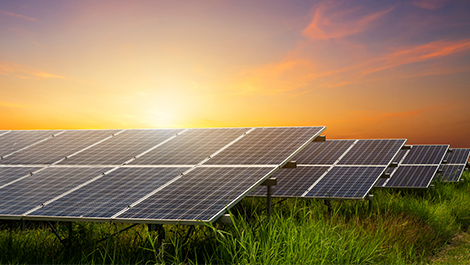
We have completed 2500+ Agricultural projects with great experience in all our Pakistan. Solar water pumping is very beneficial for agricultural sector. Extended load shedding and skyrocketing electricity prices have made it hard for agriculturists to operate their tube wells in traditional way. Diesel costs have also become unaffordable. We provide multi-purpose solutions for agriculture sector which gives more water, excludes running expenditures and increases Agricultural solar panels.
At, we offer revolutionary solutions for our clients to ensure that their operational costs are lowered significantly and that they are competitive again. Industrial solar panels, also known as commercial solar panels.
Agricultural solar solutions involve the application of solar energy technologies in farming and agricultural operations to address energy needs, reduce costs, and promote sustainable practices. These solutions leverage solar power to generate electricity, provide heating for various agricultural processes, and contribute to overall energy efficiency. Here are some key aspects of agricultural solar solutions:
- Irrigation Systems: Solar-powered water pumps can be used to provide a reliable and sustainable source of water for irrigation, helping farmers manage their water resources efficiently.
- Off-Grid Solar Systems: In remote agricultural areas or where grid electricity is unreliable, off-grid solar power systems can be installed to provide electricity for lighting, appliances, and other electrical needs on the farm.
- Climate Control: Solar panels can be integrated into greenhouse structures to generate electricity for climate control systems, such as fans, ventilation, and heating, contributing to controlled and optimized growing conditions.
- Crop Drying: Solar dryers can be used to dehydrate crops, fruits, or herbs, preserving them for longer periods and reducing the need for traditional drying methods that may rely on fossil fuels.
- Refrigeration: Solar energy can be used to power refrigeration units for cold storage of agricultural products, extending the shelf life of perishable goods.
- Watering Systems: Solar pumps can be employed to provide water for livestock, especially in remote areas where access to grid power is limited.
- Electric Fencing: Solar-powered electric fences can be used to secure livestock grazing areas without the need for a connection to the electrical grid.
- Shared Solar Arrays: Farmers in a community can collaborate on shared solar projects, pooling resources to invest in larger solar arrays that provide energy for multiple farms.
- Sell Excess Energy: Farms with surplus solar energy production can leverage net metering programs to sell excess electricity back to the grid, potentially generating additional revenue.
- Smart Farming: Solar solutions can be integrated with data monitoring systems to provide insights into energy consumption, crop health, and overall farm performance, facilitating precision agriculture practices.
- Subsidies and Tax Credits: Many governments offer financial incentives to encourage the adoption of solar energy in agriculture, making it more economically viable for farmers.
Implementing agricultural solar solutions not only helps farmers reduce operational costs but also contributes to environmental sustainability by reducing dependence on fossil fuels. The choice of specific solutions depends on factors such as the type of crops or livestock, local climate conditions, and the energy needs of the farm.
Agricultural solar solutions offer various advantages for farmers and agricultural operations, providing a sustainable and cost-effective approach to meeting energy needs. Here are some key advantages of incorporating solar solutions in agriculture:
- Agricultural solar solutions can significantly reduce electricity bills by generating on-site renewable energy. This is particularly beneficial for farms with high energy consumption, such as those using irrigation systems, cold storage, and processing equipment.
- Solar power enables farmers to become more self-reliant in meeting their energy needs, reducing dependence on traditional utility grids. This can be especially valuable in rural or remote areas where grid access may be limited.
- Solar-powered water pumping systems improve irrigation efficiency by providing a reliable and sustainable source of water. This is crucial for maintaining crop health and yields, especially in regions with water scarcity or unreliable grid power.
- Solar installations have predictable costs over the long term, providing stability and helping farmers plan their budgets more effectively compared to the potential volatility of conventional energy prices.
- Many governments offer financial incentives, tax credits, and subsidies to encourage the adoption of solar energy in agriculture. These incentives can help offset the initial investment and make solar solutions more financially attractive.
- Solar panels can be installed on unused or marginal land, providing dual-use without competing with valuable agricultural space. This allows farmers to maintain productive land while still harnessing solar energy.
- Solar energy is a clean and renewable resource, contributing to environmental sustainability by reducing greenhouse gas emissions associated with traditional energy sources. This aligns with sustainable farming practices and meets environmental regulations.
- Controlled climate conditions in greenhouses powered by solar energy can enhance crop quality and yield. Solar solutions provide a reliable and consistent source of power for maintaining optimal temperatures, humidity, and lighting.
- Solar solutions can be integrated with remote monitoring and control systems, allowing farmers to manage and monitor energy consumption, water pumping, and other processes from a distance, enhancing operational efficiency.
- Solar systems can provide a reliable power source during extreme weather events or emergencies, ensuring that critical agricultural operations, such as water pumping or refrigeration, can continue even when the grid is down.
- Farmers can benefit from additional income streams by participating in government incentive programs, selling excess energy back to the grid through net metering, or collaborating on community solar projects.
- Adopting solar solutions in agriculture can enhance a farm's public image by demonstrating a commitment to environmental responsibility and sustainable practices, which may attract environmentally conscious consumers.

20 May, 2024

80,000 kWh / Year

Solar Energy

SolarSphere Solutions

123 Main Street, Anytown